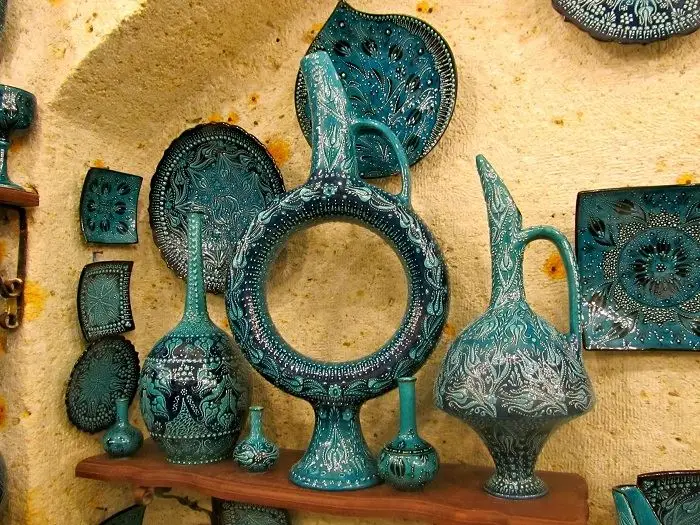
Avanos Pottery in Cappadocië
An ancient craft with a long history in Cappadocia is Avanos ceramics. These pots may be seen everywhere when you take Cappadocia tours and travel to the area. In-depth explanations of the pottery's history are provided during guided visits. For the people of Cappadocia, Avanos pottery is crucial.Informatie over Avanos
Avanos, samen met Ürgüp en Göreme, is een belangrijke toeristische bestemming in Cappadocia. In de regio van Cappadocia, Avanos, is keramiek heel belangrijk. Wanneer mensen denken aan Cappadocia, is het eerste dat in gedachten komt fee schoorstenen. De keramiek geproduceerd in Cappadocia is ook bekend. Het is ook bekend om zijn immense rivieren, valleien en ondergrondse steden. Tuin keramiek is een andere bekende gebeurtenis.
Everyone is familiar with pottery. Everyone ate something from their casserole and drank water from their pitcher with these pots. There is a sizable Cappadocian ceramic workshop in the Avanos district. Even Seyrani, a folk poet who wrote between 1800 and 1866, observed that blind people are aware of the route to Avanos based on pottery shards. In the past, pottery used to be put on horses and donkeys and sold. Thrown to the side of the road was the pottery that had shattered during the trip. On the sides of the roadways in Avanos, broken pottery gathered and created a line. There is where we get this word. Avanos is located in Cappadocia, which is well-known for its ceramics.
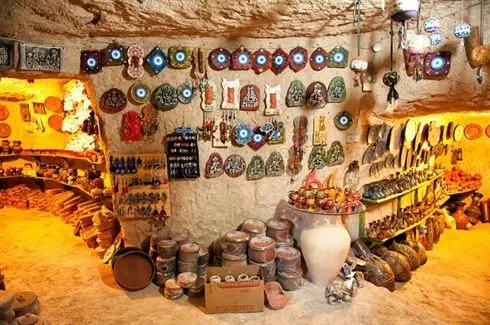 Cappadocia Pottery
Avanos Keramiek van Cappadocië
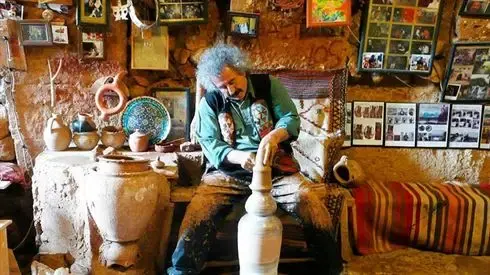
De meeste mensen kennen de regio Avanos voor zijn keramiek. Hier wordt diverse en onderscheidende keramiek gemaakt. De voorouders produceerden keramiek op wielen. Het is een ambacht dat al vele jaren van grootvader naar vader en vader naar kind is overgeleverd. Door de gebieden die het al generaties heeft doorgegeven, laat de Kizilirmak zijn crimson bodem achter.Cappadocia's Avanos ceramics were shown. Red earth and spindle are combined to create a ceramic paste, and it is with this paste that pottery artists display their artistic talent. These handmade pots are very expensive. Our forefathers have been manufacturing pottery for many years, and they have passed it down to us. For the inhabitants of Avanos, this art has historically been a major source of income. The custom of refusing to give females to men who could not produce pottery was still practiced in the area. Their crimson color is their most noticeable attribute at first glance. The pots are made with ceramic paste, which is created by combining red dirt and spindles. Wheels are used to create pottery.
Hoe wordt Avanos pottery gemaakt?
Wanneer uitgevoerd door professionals, het maken van Nevşehir-kerrassen kan heel eenvoudig lijken. Terwijl het observeren van de meesters die de wielen gebruiken om hun ambacht te produceren, lijkt deze taak misschien uiterst eenvoudig. In werkelijkheid is de inspanning moeilijker dan het lijkt. Avanos-potten zijn onderscheidend omdat ze zowel vaardigheid als verbeeldingskracht nodig hebben. Dit is waarom het ook bekend staat als Avanos-kunst.
De keramische klei moet worden gemaakt, gevormd, gepantserd, gedroogd, geschoten en glijden voordat alles anders.Het kost werk en is vrij lang.
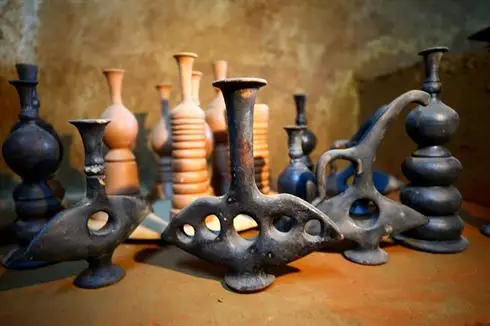 Cappadocia keramische
Avanos Pottery klei maken
The Kizilirmak beds include oily, soft clay soil that flows from the Avanos Mountains' flanks. After being sieved, clay soil is combined with water. After that, the soil that turns into clay can be used to create pottery. The clay needs to be stored for a week before it is ready. Each type of Avanos pottery from Cappadocia has its distinct qualities. As a result, different clay qualities may exist. According to the pots that will be manufactured, clay is prepared.Clay Sculpting
The clay is shaped using a variety of techniques. The type of pottery that is wanted is another factor that influences these techniques. When mass manufacturing is necessary, it can be formed using wheel-like machinery or by employing plaster of Paris molds. The expert also suggests that you can shape wheels with your hands so that you can accelerate with your feet. The master first shapes the clay by applying pressure with his hands. It uses metal components in the final stage to turn the clay into pots.
Armoring en polijsten van keramik
It's called armoring, painting, and decorating the Avanos pottery after it's been made but before it's dried. The pots are stored for two days after armoring to attain a consistency known as leather hardness. Buffering is the process of polishing the surface while the clay is still wet. After going through these procedures, the pots are prepared for drying.
Drogen van de pot
After the pots are polished and armored, and the water is taken out, they are left in the sun for 20 minutes. At this point, if there is no sun, they are held in the "cheeks," which are workshop spaces, for a day before moving on to the cooking process.
De volgorde van koken
De potten moeten worden verbrand en geglazen voordat ze geschikt zijn voor gebruik.Een grote badkuip wordt gebruikt om de gedroogde goederen te koken bij specifieke temperaturen.
Wat zijn de kosten die betrokken zijn bij het maken van Cappadocia keramische?
It is advised that visitors to Cappadocia produce pottery in Avanos. On excursions to Avanos, visitors can observe how the master potters shape their creations. In the local workshops, ceramic making is an activity you may partake in. The ceramic clay can be molded on the wheels under the masters' instruction.Therapeuten adviseren veel mensen om het te doen omdat het gezond is voor de ziel. Het vormen van klei is een creatieve manier om jezelf uit te drukken. Prijzen voor het maken van Cappadociaanse keramik kunnen van de ene workshop naar de andere verschillen. U kunt uw potten in de regio van Avanos maken door ze in de gewenste vorm te rollen.