 Urgente
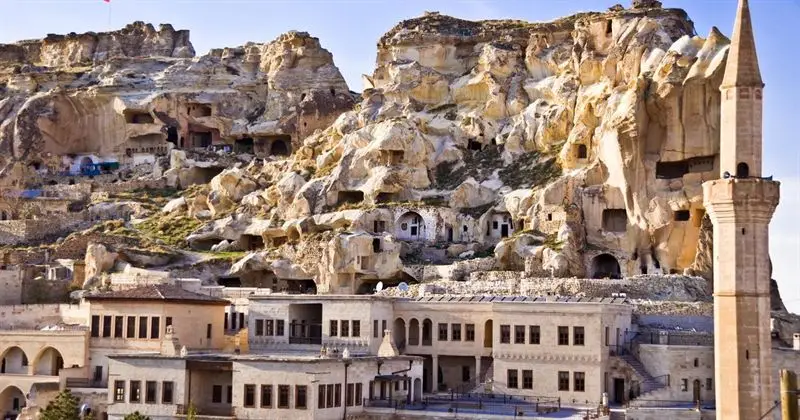
Many tourists travel to Urgup each year because of its stunning natural surroundings and fascinating history, making it one of Cappadocia's most picturesque districts. The area has a well-developed transit system and a wide range of lodging alternatives. This lovely area is west of Nevşehir and may accommodate a range of tastes and price ranges. It is situated to the southwest of Kayseri and south of Avanos.Storia di Urgup
One of humanity's earliest cities was Urgup. Stone Age ruins have been discovered in the area as a consequence of several excavations throughout the years. It is thought that the volcanic eruptions cleared the glacial ice from Urgup and its surroundings, which are coated in a layer of ice. In the area where people later began to dwell, there are numerous freshwater springs. It is easier to appreciate the value of the area when you consider that thousands of years ago, humans built their settlements close to these pure water sources.According to estimates, there have been people in the area since the Stone Age, but over time, both people and nature have destroyed the remains. This makes it impossible to provide precise information about Urgup's earliest history.
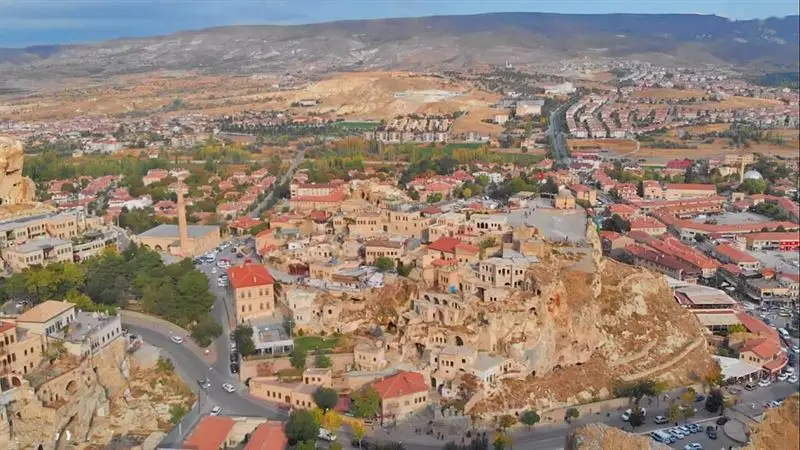 Urgup Cappadocia
È ben noto che Cappadocia era una città importante durante l’era hitita.Gli strumenti del periodo neolitico, che include questo periodo, sono stati scoperti durante le indagini archeologiche condotte all’interno dei confini dell’Urgup.
The Byzantine period's homes were reached, as were the Città sotterraneeDiverse opere sono state notate per avere elementi elenistici.Per questo motivo, si presumeva che la zona avesse sempre bisogno di protezione perché gli incursioni erano comuni.
Durante le indagini degli anni '60, sono stati scoperti numerosi artefatti delle civiltà frigiane, romane e bizantine, oltre a quelli degli Hittiti. Mentre le persone iniziarono a favorire la vita stabilita, la Cappadocia cominciò a essere valorizzata ancora di più. L'area in cui vengono prodotte le merci essenziali si trova vicino alle strade commerciali. Per questo motivo, i commercianti di altre nazioni visitavano la regione frequentemente, e vi erano impatti culturali.
Ci sono ancora molti resti di questa cultura dall'era persiana, che ha anche governato questa regione negli anni successivi a Cristo. I Persiani sapevano che il luogo era sacro perché adoravano il fuoco e ci sono state eruzioni vulcaniche nelle vicinanze.
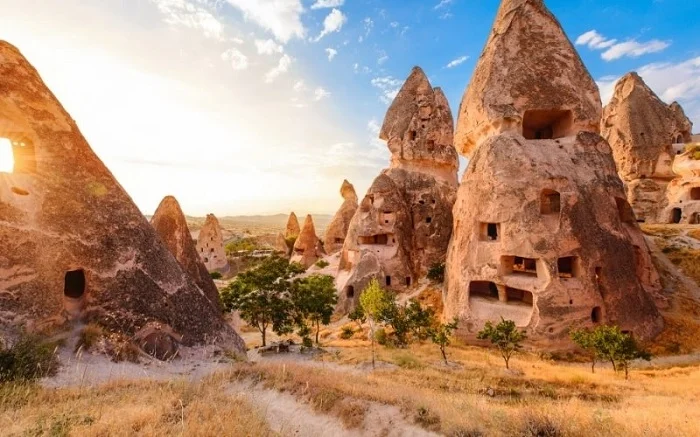
After the Persians, Macedonia ruled over Urgup and its surroundings. Later, the Romans and Byzantium ruled over Urgup and its surroundings. These periods account for a sizable portion of the items still present in the area. It is acknowledged as being a significant hub for trade as well as for religion. The region's religious hub is thought to include the rock churches in the area. In and around Urgup, there are a lot of graves that date back to the Roman era.
Dopo l'incontro tra Anatolia, i Turchi e i Seljuks nel XIX secolo, la zona divenne più simile alla Turchia. Durante l'era repubblicana, che era molto significativa nell'Impero Ottomano, divenne conosciuta per la prima volta come Urgup. Si unì a Kayseri come distretto nel 1935. Divenne il più grande distretto di Nevşehir una volta che la provincia di Nevşehir fu istituita nel 1954.
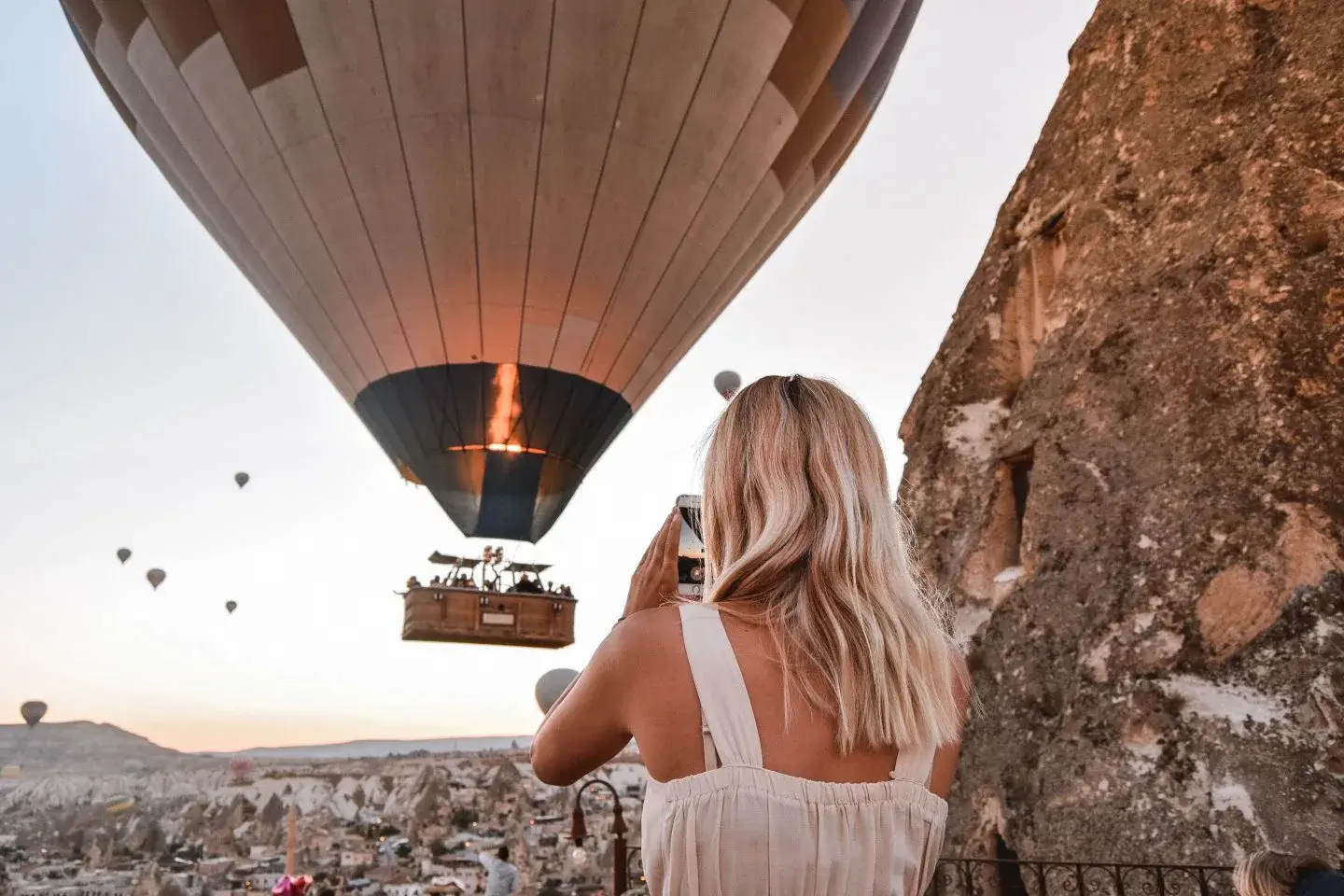
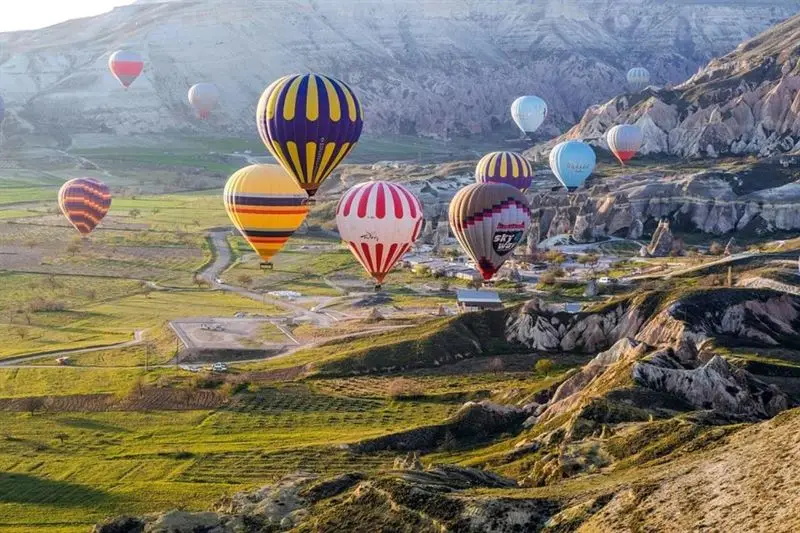 Il pallone ad aria calda
Qual è l’origine del nome Urgup?
According to historical studies, one of the region's original names, "haios," was Turkishized to become the name Urgup. A well-known priest at the time used this name, which has been around since the second century. The name is pronounced "prokopipos," and it is in that form. This name started to be referred to as "Urgup" when the suffixes in it were dropped and the meaning changed.In the Seljuk texts, it is spelled "Prokop" and is pronounced "Pireküp," as may be seen. There is currently a new hamlet called Urgup inside Serbian territory. One crucial indicator that the term has undergone a similar transition is the fact that this hamlet is also referred to as "Prokopios" in the sources.
The first idea about where the word comes from is that Urgup got its name from the rock fortresses there. It was assumed that the words "cube," which meant large rocks, and "ur," which meant castle, had been mixed and altered.Popolazione e geografia in Urgup
One of the Nevşehir districts, Urgup, was built over an area of about 560 square kilometers. It is Nevşehir's busiest district other than the central area.In the district's center, there are about 23,000 residents. The total population of Urgup, including the villages, is 35,000.
Il tasso di alfabetizzazione di Urgup è abbastanza vicino al 100%, e il livello di istruzione è piuttosto alto. Il distretto ha 33 istituti educativi. Queste scuole hanno un numero sufficiente di aule e istruttori. Il distretto, che educa oltre 5.500 studenti, offre istruzione tecnica.
Updated on