 Urgup
Urgup
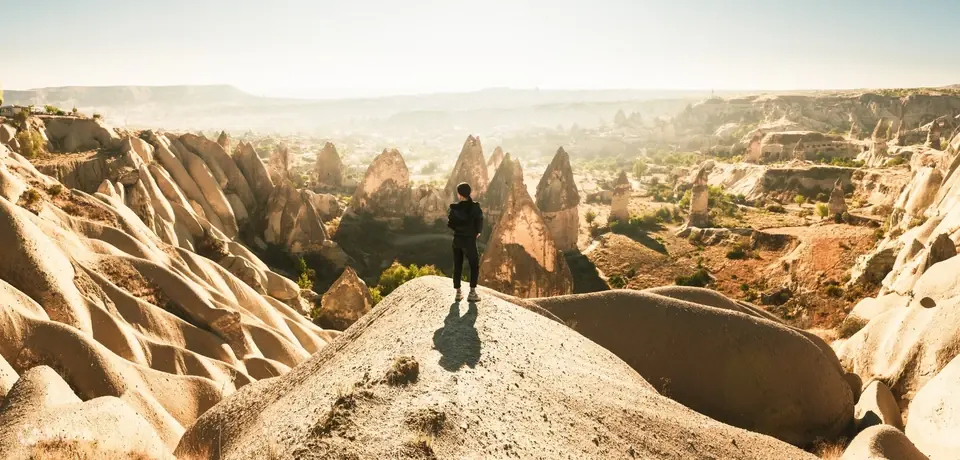
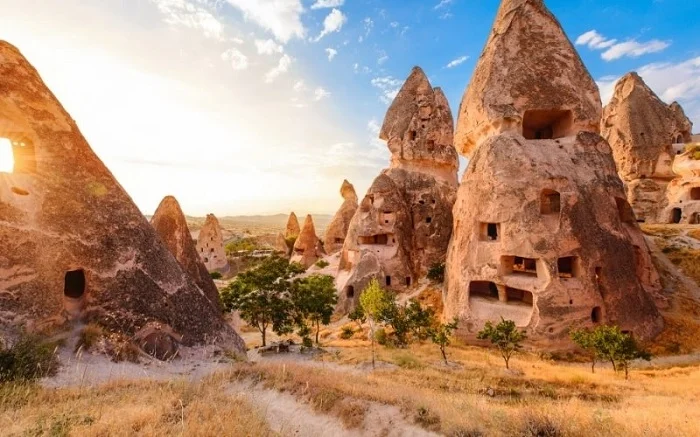
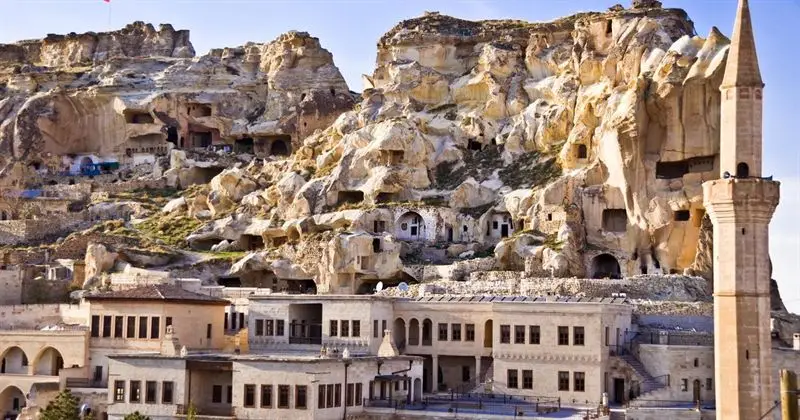
Many tourists travel to Urgup each year because of its stunning natural surroundings and fascinating history, making it one of Cappadocia's most picturesque districts. The area has a well-developed transit system and a wide range of lodging alternatives. This lovely area is west of Nevşehir and may accommodate a range of tastes and price ranges. It is situated to the southwest of Kayseri and south of Avanos.Urgup History
One of humanity's earliest cities was Urgup. Stone Age ruins have been discovered in the area as a consequence of several excavations throughout the years. It is thought that the volcanic eruptions cleared the glacial ice from Urgup and its surroundings, which are coated in a layer of ice. In the area where people later began to dwell, there are numerous freshwater springs. It is easier to appreciate the value of the area when you consider that thousands of years ago, humans built their settlements close to these pure water sources.According to estimates, there have been people in the area since the Stone Age, but over time, both people and nature have destroyed the remains. This makes it impossible to provide precise information about Urgup's earliest history.
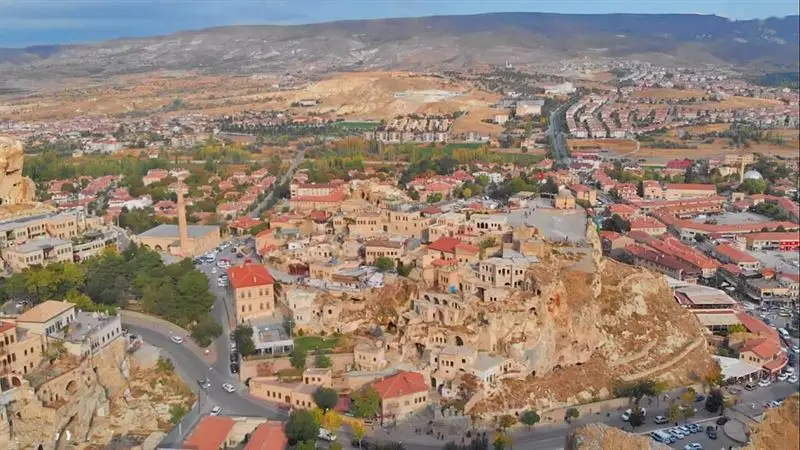 Urgup Cappadocia
It is well known that Cappadocia was a significant city during the Hittite era. Tools from the Neolithic period, which includes this time, were discovered during the archaeological investigations conducted inside the boundaries of Urgup. Studies have been done in these areas, and the villages, which date back to the Neolithic period, have been found.
The Byzantine period's homes were reached, as were the underground cities. Several works have been noted to feature Hellenistic elements. Because of this, it was assumed that the area would always require protection because raids there were common.
During the 1960s investigations, numerous artifacts from the Phrygian, Roman, and Byzantine civilizations were discovered in addition to those from the Hittites. As people began to favor established lives, Cappadocia began to be valued even more. The area where essential commodities are produced is situated near commercial roads. Because of this, traders from other nations visited the region frequently, and there were cultural impacts there.
There are still many remnants of this culture from the Persian era, which also ruled this region in the years following Christ. The Persians knew the place was holy because they worshipped fire and there were volcanic eruptions nearby.
After the Persians, Macedonia ruled over Urgup and its surroundings. Later, the Romans and Byzantium ruled over Urgup and its surroundings. These periods account for a sizable portion of the items still present in the area. It is acknowledged as being a significant hub for trade as well as for religion. The region's religious hub is thought to include the rock churches in the area. In and around Urgup, there are a lot of graves that date back to the Roman era.
After Anatolia, the Turks, and the Seljuks met in the 19th century, the area became more like Turkey. During the Republican era, which was very significant in the Ottoman Empire, it first became known as Urgup. It joined Kayseri as a district in 1935. It became the biggest district in Nevşehir once the province of Nevşehir was established in 1954.
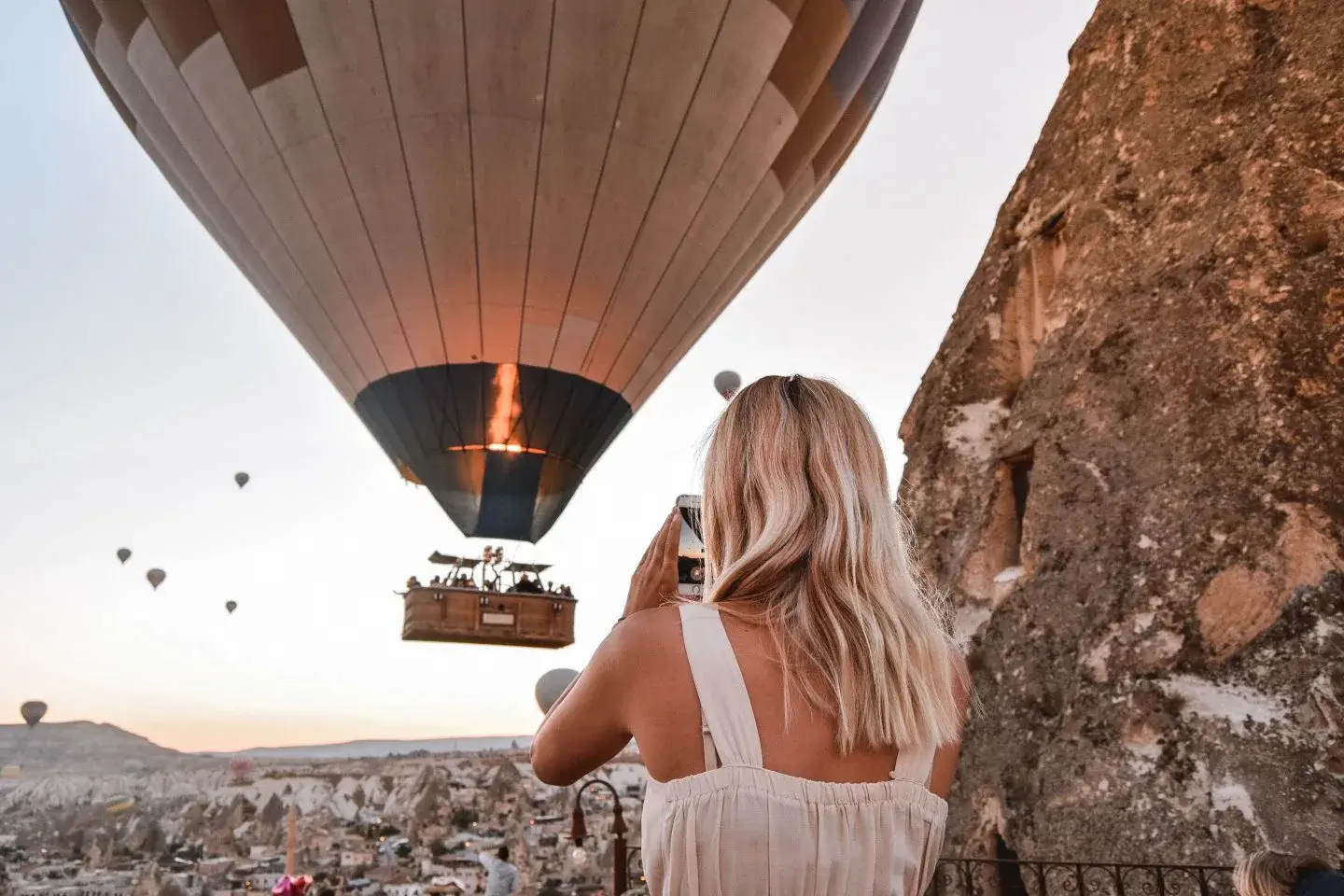
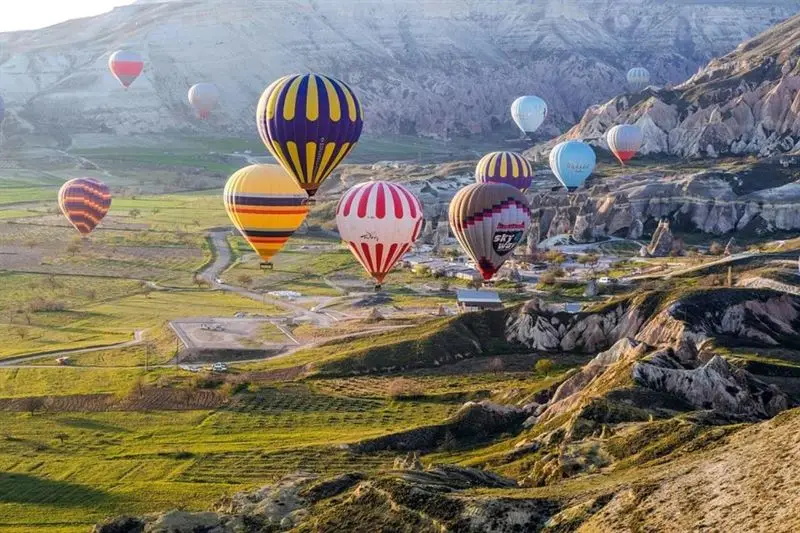 Urgup Hot-air Balloon
What Is the Origin of the Name Urgup?
According to historical studies, one of the region's original names, "haios," was Turkishized to become the name Urgup. A well-known priest at the time used this name, which has been around since the second century. The name is pronounced "prokopipos," and it is in that form. This name started to be referred to as "Urgup" when the suffixes in it were dropped and the meaning changed.In the Seljuk texts, it is spelled "Prokop" and is pronounced "Pireküp," as may be seen. There is currently a new hamlet called Urgup inside Serbian territory. One crucial indicator that the term has undergone a similar transition is the fact that this hamlet is also referred to as "Prokopios" in the sources.
The first idea about where the word comes from is that Urgup got its name from the rock fortresses there. It was assumed that the words "cube," which meant large rocks, and "ur," which meant castle, had been mixed and altered.Population and Geography in Urgup
One of the Nevşehir districts, Urgup, was built over an area of about 560 square kilometers. It is Nevşehir's busiest district other than the central area.In the district's center, there are about 23,000 residents. The total population of Urgup, including the villages, is 35,000.
The literacy rate of Urgup is quite close to 100%, and the educational level there is fairly high. The district has 33 educational institutions. These schools have an adequate number of classrooms and instructors. The district, which educates over 5,500 pupils, offers technical education.
Updated on