 Urgente
Many tourists travel to Urgup each year because of its stunning natural surroundings and fascinating history, making it one of Cappadocia's most picturesque districts. The area has a well-developed transit system and a wide range of lodging alternatives. This lovely area is west of Nevşehir and may accommodate a range of tastes and price ranges. It is situated to the southwest of Kayseri and south of Avanos.Historia de Urgup
One of humanity's earliest cities was Urgup. Stone Age ruins have been discovered in the area as a consequence of several excavations throughout the years. It is thought that the volcanic eruptions cleared the glacial ice from Urgup and its surroundings, which are coated in a layer of ice. In the area where people later began to dwell, there are numerous freshwater springs. It is easier to appreciate the value of the area when you consider that thousands of years ago, humans built their settlements close to these pure water sources.According to estimates, there have been people in the area since the Stone Age, but over time, both people and nature have destroyed the remains. This makes it impossible to provide precise information about Urgup's earliest history.
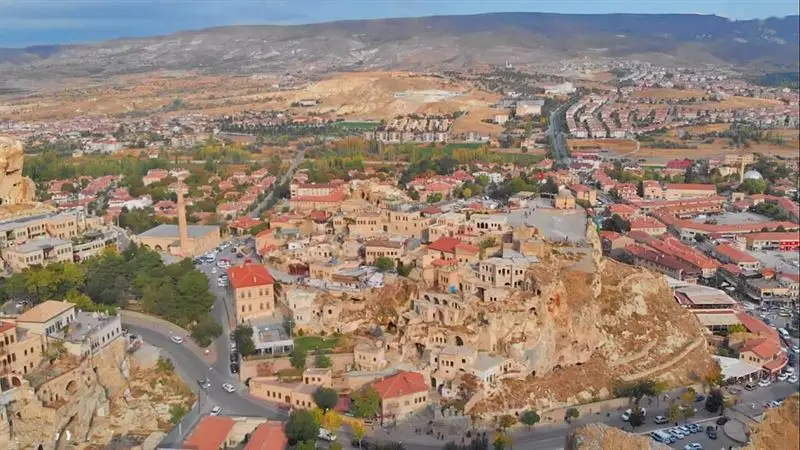 Urgup Cappadocia
Es bien conocido que Cappadocia fue una ciudad importante durante la era hitita.Tratos del período neolítico, que incluye esta época, fueron descubiertos durante las investigaciones arqueológicas realizadas dentro de las fronteras de Urgup.
The Byzantine period's homes were reached, as were the Ciudades subterráneasSe ha notado que varias obras presentan elementos helenísticos.Por esta razón, se suponía que la zona siempre requeriría protección porque las incursiones eran comunes.
Durante las investigaciones de los años 1960, se descubrieron numerosos artefactos de las civilizaciones frígica, romana y bizantina además de los de los hititas. A medida que la gente comenzó a favorecer la vida establecida, Cappadocia comenzó a ser valorada aún más. La zona donde se producen mercancías esenciales se encuentra cerca de carreteras comerciales. Debido a esto, comerciantes de otras naciones visitaron la región con frecuencia, y hubo impactos culturales allí.
Todavía hay muchos restos de esta cultura de la era persa, que también gobernó esta región en los años posteriores a Cristo.Los persas sabían que el lugar era sagrado porque adoraban el fuego y había erupciones volcánicas cerca.
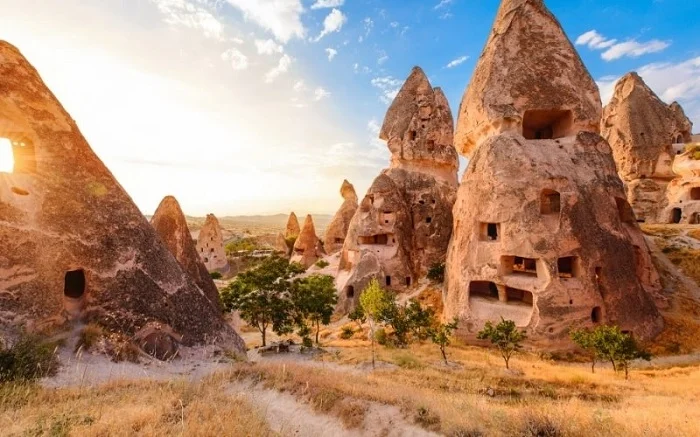
After the Persians, Macedonia ruled over Urgup and its surroundings. Later, the Romans and Byzantium ruled over Urgup and its surroundings. These periods account for a sizable portion of the items still present in the area. It is acknowledged as being a significant hub for trade as well as for religion. The region's religious hub is thought to include the rock churches in the area. In and around Urgup, there are a lot of graves that date back to the Roman era.
Después de que Anatolia, los turcos y los selyuk se reunieron en el siglo XIX, la zona se convirtió en más parecida a Turquía. Durante la era republicana, que era muy importante en el Imperio Otomano, se hizo conocido por primera vez como Urgup. Se unió a Kayseri como distrito en 1935. Se convirtió en el distrito más grande de Nevşehir una vez que se estableció la provincia de Nevşehir en 1954.
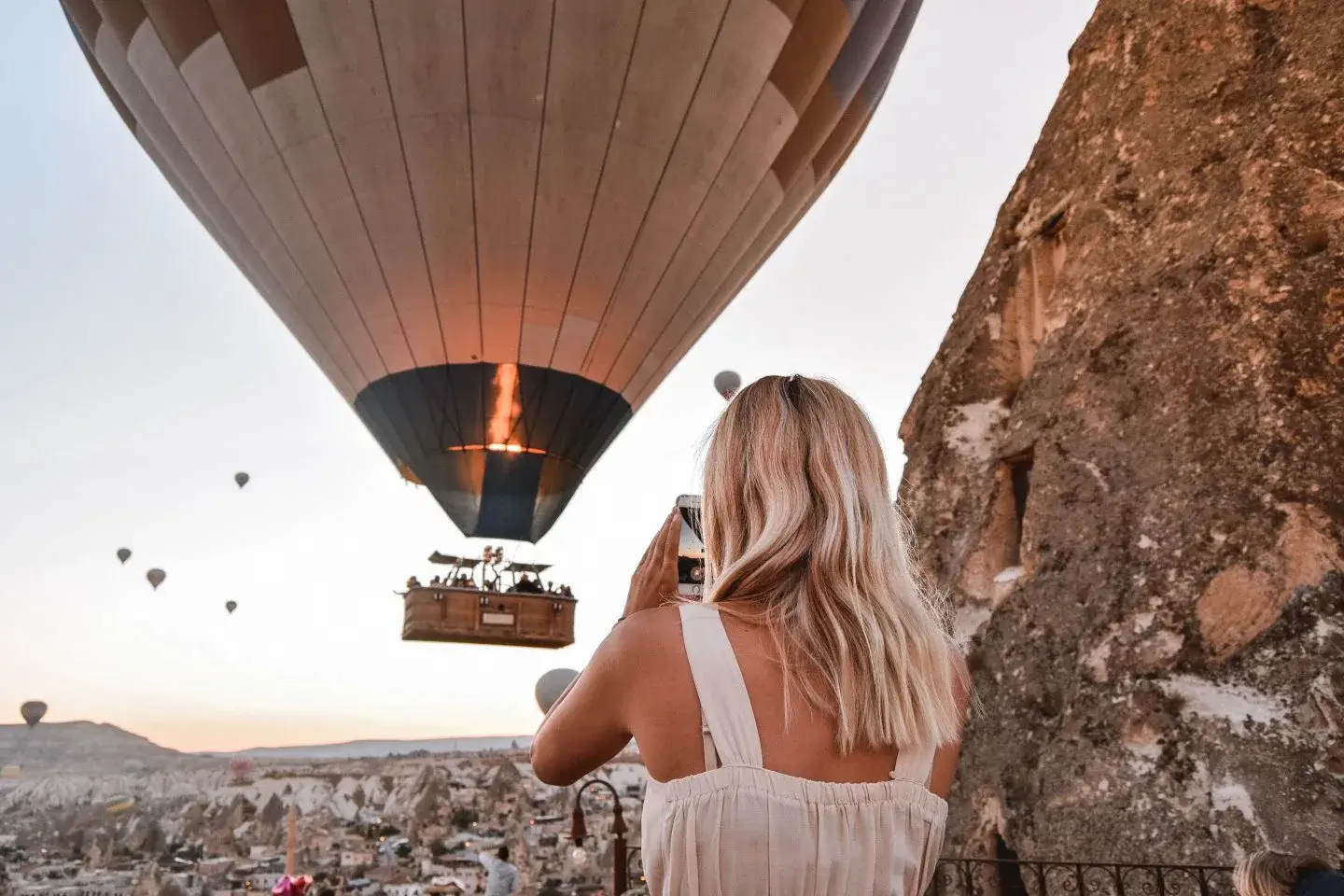
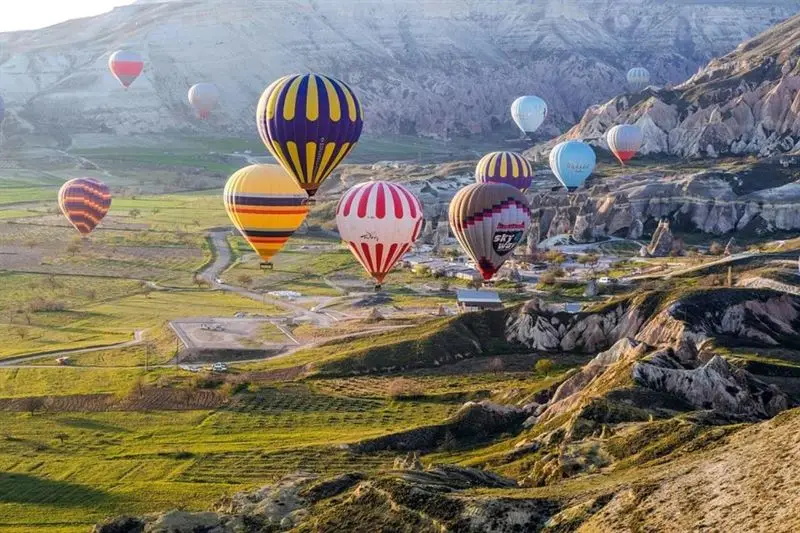 Ballón de aire caliente Urgup
¿Cuál es el origen del nombre Urgup?
According to historical studies, one of the region's original names, "haios," was Turkishized to become the name Urgup. A well-known priest at the time used this name, which has been around since the second century. The name is pronounced "prokopipos," and it is in that form. This name started to be referred to as "Urgup" when the suffixes in it were dropped and the meaning changed.In the Seljuk texts, it is spelled "Prokop" and is pronounced "Pireküp," as may be seen. There is currently a new hamlet called Urgup inside Serbian territory. One crucial indicator that the term has undergone a similar transition is the fact that this hamlet is also referred to as "Prokopios" in the sources.
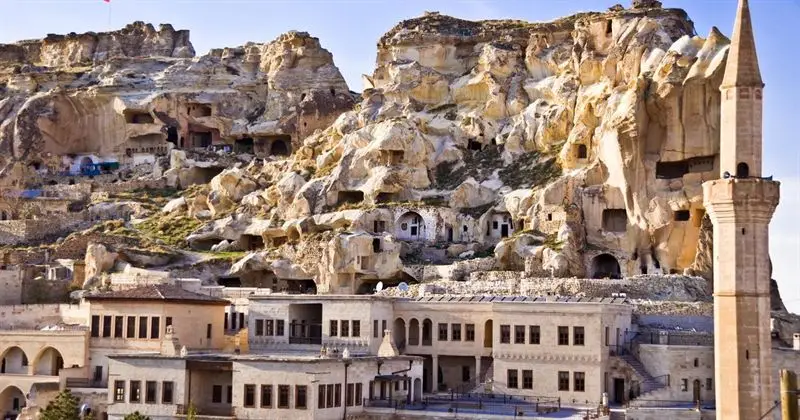
The first idea about where the word comes from is that Urgup got its name from the rock fortresses there. It was assumed that the words "cube," which meant large rocks, and "ur," which meant castle, had been mixed and altered.Población y geografía en Urgup
One of the Nevşehir districts, Urgup, was built over an area of about 560 square kilometers. It is Nevşehir's busiest district other than the central area.In the district's center, there are about 23,000 residents. The total population of Urgup, including the villages, is 35,000.
La tasa de alfabetización de Urgup está bastante cerca del 100%, y el nivel educativo es bastante alto. El distrito cuenta con 33 instituciones educativas. Estas escuelas tienen un número suficiente de aulas e instructores. El distrito, que educa a más de 5.500 alumnos, ofrece educación técnica.
Updated on