 Urgent
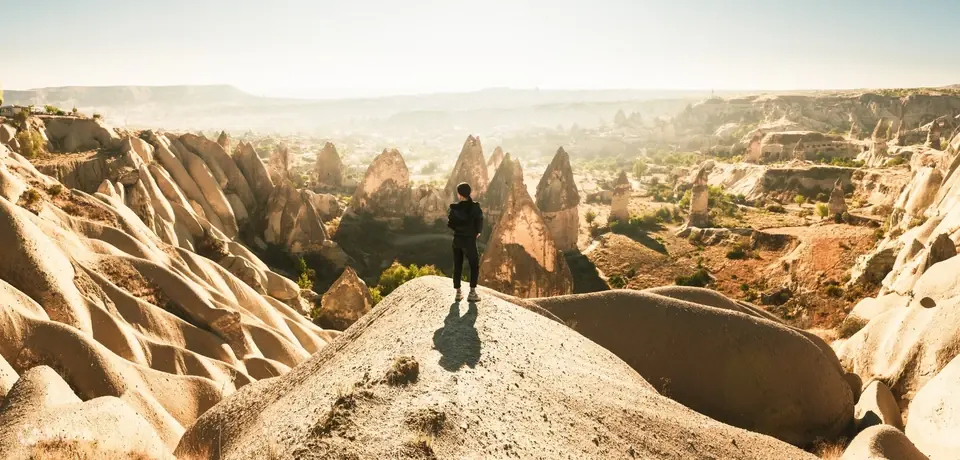
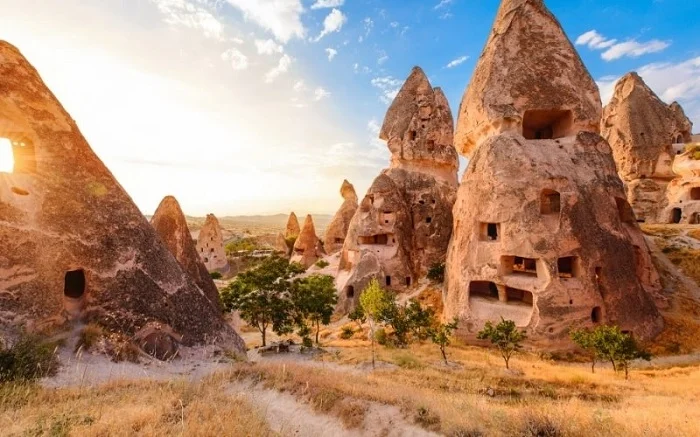
Many tourists travel to Urgup each year because of its stunning natural surroundings and fascinating history, making it one of Cappadocia's most picturesque districts. The area has a well-developed transit system and a wide range of lodging alternatives. This lovely area is west of Nevşehir and may accommodate a range of tastes and price ranges. It is situated to the southwest of Kayseri and south of Avanos.Histoire Urgup
One of humanity's earliest cities was Urgup. Stone Age ruins have been discovered in the area as a consequence of several excavations throughout the years. It is thought that the volcanic eruptions cleared the glacial ice from Urgup and its surroundings, which are coated in a layer of ice. In the area where people later began to dwell, there are numerous freshwater springs. It is easier to appreciate the value of the area when you consider that thousands of years ago, humans built their settlements close to these pure water sources.According to estimates, there have been people in the area since the Stone Age, but over time, both people and nature have destroyed the remains. This makes it impossible to provide precise information about Urgup's earliest history.
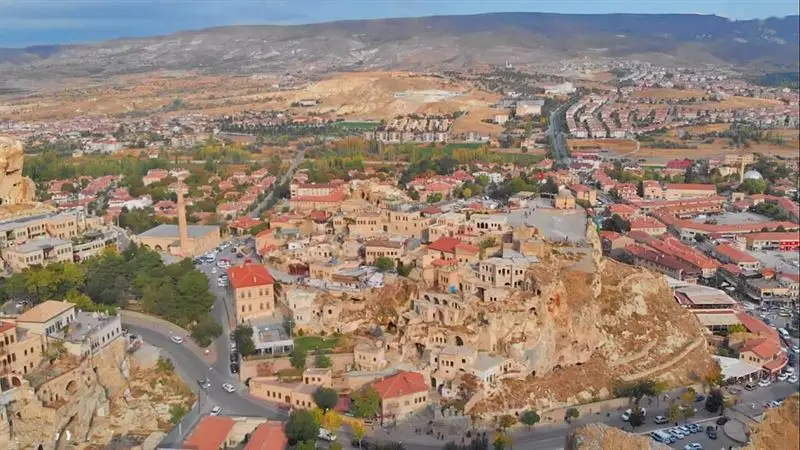 Urgup Cappadoce
On sait bien que la Cappadoce était une ville importante pendant l’ère hettite.Des outils de la période néolithique, qui comprend cette époque, ont été découverts lors des recherches archéologiques menées à l’intérieur des frontières de l’Urgup.Des études ont été faites dans ces zones, et les villages, qui remontent à la période néolithique, ont été trouvés.
The Byzantine period's homes were reached, as were the Les villes souterrainesPlusieurs œuvres ont été notées pour avoir des éléments hellénistiques.Par conséquent, on supposait que la zone aurait toujours besoin de protection parce que les raids y étaient courants.
Au cours des recherches des années 1960, de nombreux artefacts des civilisations phrygiennes, romaines et byzantines ont été découverts en plus de ceux des Hittites. Comme les gens ont commencé à favoriser des vies établies, la Cappadoce a commencé à être encore plus appréciée. La zone où les marchandises essentielles sont produites est située près des routes commerciales. À cause de cela, les commerçants d'autres nations ont fréquemment visité la région, et il y avait des impacts culturels là.
Il y a encore beaucoup de vestiges de cette culture de l'ère persane, qui a également régné dans cette région dans les années qui suivent le Christ.Les Perses savaient que le lieu était saint parce qu'ils adoraient le feu et qu'il y avait des éruptions volcaniques à proximité.
After the Persians, Macedonia ruled over Urgup and its surroundings. Later, the Romans and Byzantium ruled over Urgup and its surroundings. These periods account for a sizable portion of the items still present in the area. It is acknowledged as being a significant hub for trade as well as for religion. The region's religious hub is thought to include the rock churches in the area. In and around Urgup, there are a lot of graves that date back to the Roman era.
Après l'Anatolie, les Turcs et les Seljuk se sont rencontrés au 19ème siècle, la région est devenue plus semblable à la Turquie. Pendant l'ère républicaine, qui était très importante dans l'Empire ottoman, elle est d'abord connue sous le nom d'Urgup. Elle a rejoint Kayseri en tant que district en 1935.
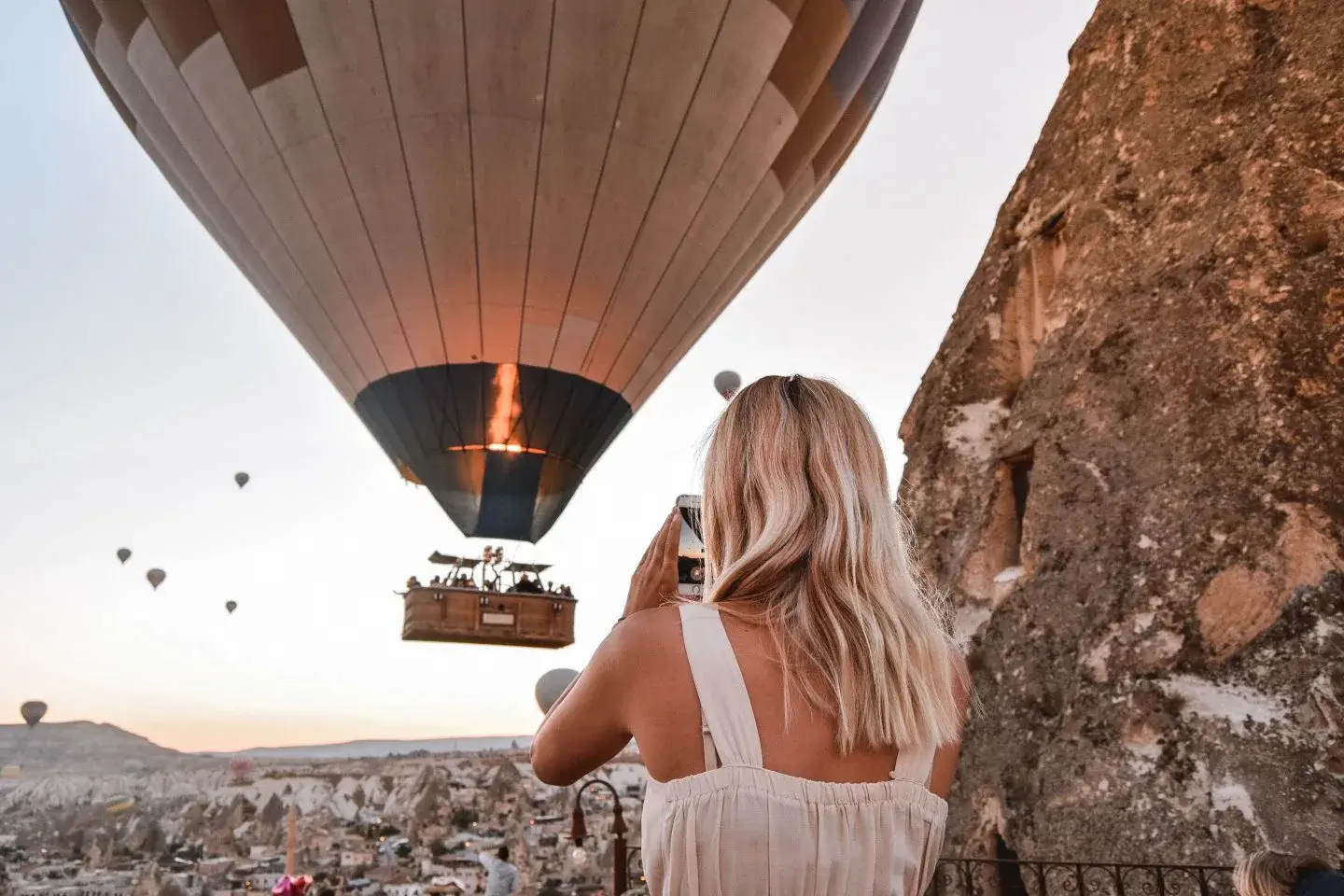
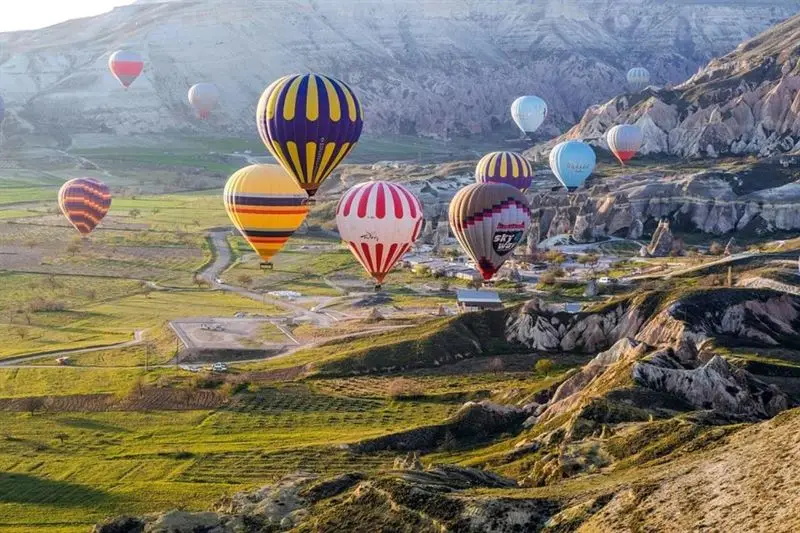 Urgup Ballon d'air chaud
Quelle est l'origine du nom Urgup ?
According to historical studies, one of the region's original names, "haios," was Turkishized to become the name Urgup. A well-known priest at the time used this name, which has been around since the second century. The name is pronounced "prokopipos," and it is in that form. This name started to be referred to as "Urgup" when the suffixes in it were dropped and the meaning changed.In the Seljuk texts, it is spelled "Prokop" and is pronounced "Pireküp," as may be seen. There is currently a new hamlet called Urgup inside Serbian territory. One crucial indicator that the term has undergone a similar transition is the fact that this hamlet is also referred to as "Prokopios" in the sources.
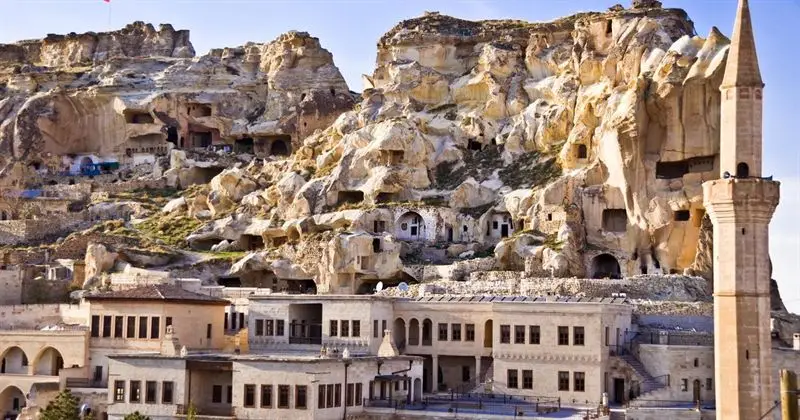
The first idea about where the word comes from is that Urgup got its name from the rock fortresses there. It was assumed that the words "cube," which meant large rocks, and "ur," which meant castle, had been mixed and altered.Population et géographie de l'Urgup
One of the Nevşehir districts, Urgup, was built over an area of about 560 square kilometers. It is Nevşehir's busiest district other than the central area.In the district's center, there are about 23,000 residents. The total population of Urgup, including the villages, is 35,000.
Le taux d'alphabétisation d'Urgup est assez proche de 100%, et le niveau d'éducation est assez élevé. Le district dispose de 33 établissements d'enseignement. Ces écoles ont un nombre suffisant de salles de classe et d'instructeurs. Le district, qui éduque plus de 5 500 élèves, offre une éducation technique.
Updated on