La poêle à Cappadoce
An ancient craft with a long history in Cappadocia is Avanos ceramics. These pots may be seen everywhere when you take Cappadocia tours and travel to the area. In-depth explanations of the pottery's history are provided during guided visits. For the people of Cappadocia, Avanos pottery is crucial.Informations sur Avanti
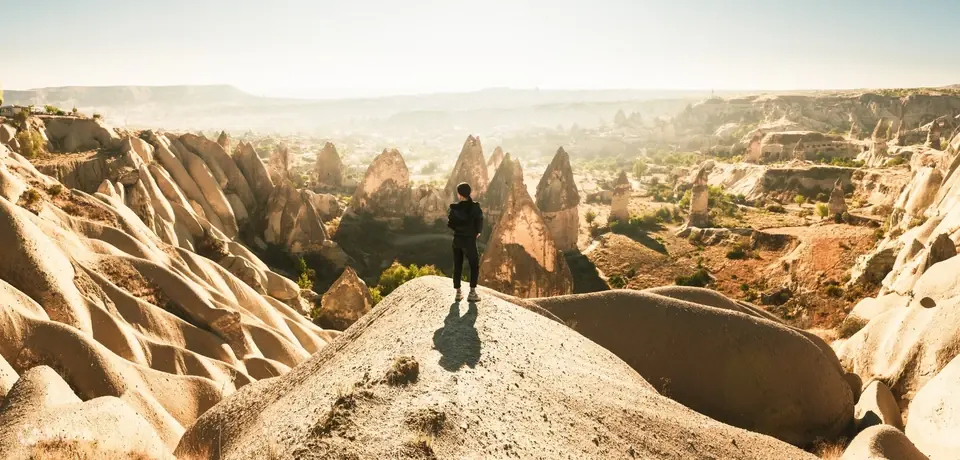
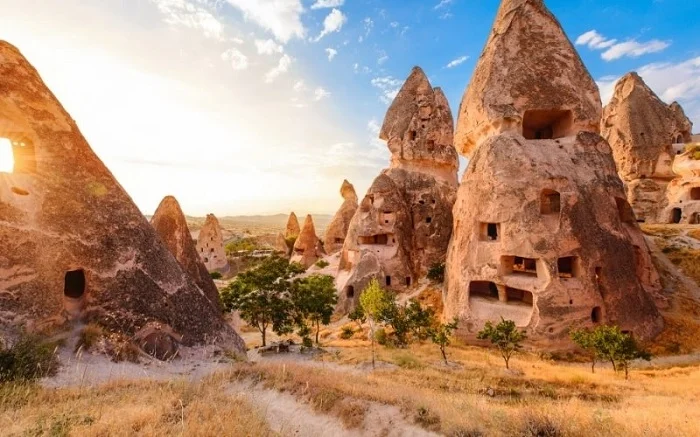
Avanos, avec Ürgüp et Göreme, est une destination touristique importante en Cappadoce. Dans la région de Cappadoce, Avanos, la poterie est assez importante. Quand les gens pensent à Cappadoce, la première chose qui vient à l'esprit sont les cheminées de fées. La poterie produite en Cappadoce est également réputée. Il est également bien connu pour ses vastes rivières, vallées et villes souterraines. La poterie de jardin est une autre apparition bien connue.
Everyone is familiar with pottery. Everyone ate something from their casserole and drank water from their pitcher with these pots. There is a sizable Cappadocian ceramic workshop in the Avanos district. Even Seyrani, a folk poet who wrote between 1800 and 1866, observed that blind people are aware of the route to Avanos based on pottery shards. In the past, pottery used to be put on horses and donkeys and sold. Thrown to the side of the road was the pottery that had shattered during the trip. On the sides of the roadways in Avanos, broken pottery gathered and created a line. There is where we get this word. Avanos is located in Cappadocia, which is well-known for its ceramics.
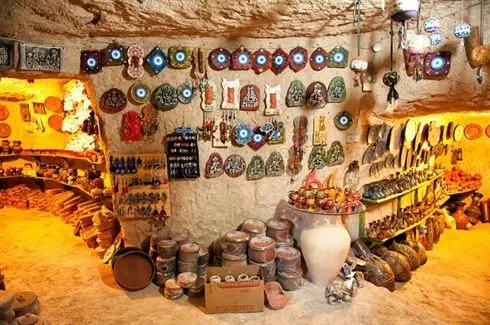 Cappadoce Pottery
Céramique de Cappadoce
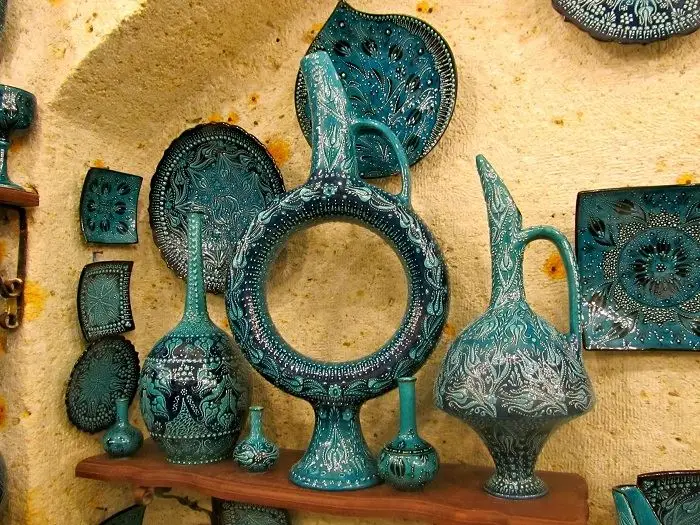
La plupart des gens connaissent la région d'Avanos pour sa céramique. Ici, la céramique est faite de manière variée et distincte. Les ancêtres ont produit la céramique sur roues. C'est un métier qui a été transmis de grand-père à père et père à enfant pendant de nombreuses années. Dans toutes les zones qu'il a traversées pendant des générations, le Kizilirmak laisse son sol crimson derrière. L'utilisation de cette saleté rouge dans l'art etCappadocia's Avanos ceramics were shown. Red earth and spindle are combined to create a ceramic paste, and it is with this paste that pottery artists display their artistic talent. These handmade pots are very expensive. Our forefathers have been manufacturing pottery for many years, and they have passed it down to us. For the inhabitants of Avanos, this art has historically been a major source of income. The custom of refusing to give females to men who could not produce pottery was still practiced in the area. Their crimson color is their most noticeable attribute at first glance. The pots are made with ceramic paste, which is created by combining red dirt and spindles. Wheels are used to create pottery.
Comment est fabriqué Avanos Pétri ?
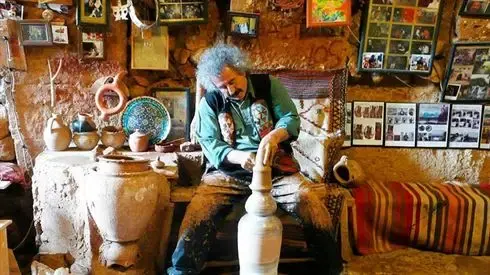
Lorsque réalisée par des professionnels, la fabrication de la céramique Nevşehir peut sembler très simple. Tout en observant les maîtres qui utilisent les roues pour produire leur métier, cette tâche peut sembler extrêmement simple. En réalité, l'effort est plus difficile qu'il n'y paraît. Les pots Avanos sont distinctifs en ce qu'ils exigent à la fois de la habileté et de l'imagination. C'est pourquoi il est également connu sous le nom d'art Avanos.
L'argile en céramique doit être faite, formée, blindée, séchée, tirée et vitrée avant tout autre chose. Il faut du travail et il est assez long.
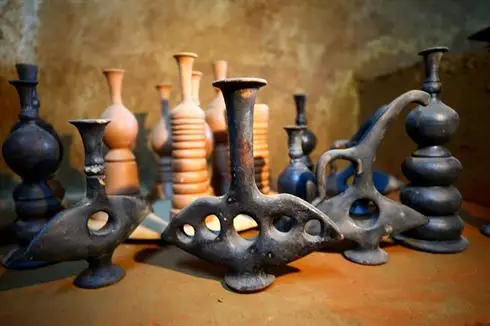 Cappadocia céramique
Avanos Pottery Clay Making
The Kizilirmak beds include oily, soft clay soil that flows from the Avanos Mountains' flanks. After being sieved, clay soil is combined with water. After that, the soil that turns into clay can be used to create pottery. The clay needs to be stored for a week before it is ready. Each type of Avanos pottery from Cappadocia has its distinct qualities. As a result, different clay qualities may exist. According to the pots that will be manufactured, clay is prepared.Sculpture de Clay
The clay is shaped using a variety of techniques. The type of pottery that is wanted is another factor that influences these techniques. When mass manufacturing is necessary, it can be formed using wheel-like machinery or by employing plaster of Paris molds. The expert also suggests that you can shape wheels with your hands so that you can accelerate with your feet. The master first shapes the clay by applying pressure with his hands. It uses metal components in the final stage to turn the clay into pots.
Armorage et polissage de la poterie
It's called armoring, painting, and decorating the Avanos pottery after it's been made but before it's dried. The pots are stored for two days after armoring to attain a consistency known as leather hardness. Buffering is the process of polishing the surface while the clay is still wet. After going through these procedures, the pots are prepared for drying.
Le séchage du pot
After the pots are polished and armored, and the water is taken out, they are left in the sun for 20 minutes. At this point, if there is no sun, they are held in the "cheeks," which are workshop spaces, for a day before moving on to the cooking process.
Ordre de cuisson
Les pots doivent être brûlés et vernis avant qu'ils soient appropriés pour être utilisés. Un grand bain est utilisé pour cuisiner les produits séchés à des températures spécifiques.
Quels sont les coûts liés à la fabrication de la céramique de Cappadoce?
It is advised that visitors to Cappadocia produce pottery in Avanos. On excursions to Avanos, visitors can observe how the master potters shape their creations. In the local workshops, ceramic making is an activity you may partake in. The ceramic clay can be molded on the wheels under the masters' instruction.Les thérapeutes conseillent à beaucoup de gens de le faire parce qu'il est sain pour l'âme. La moulage en argile est un moyen créatif d'exprimer. Les prix pour la création de la poterie cappadocienne peuvent varier d'un atelier à l'autre. Vous pouvez créer vos pots dans la région d'Avanos en les roulant dans la forme souhaitée.