Avanos Pottery in Kapadokien
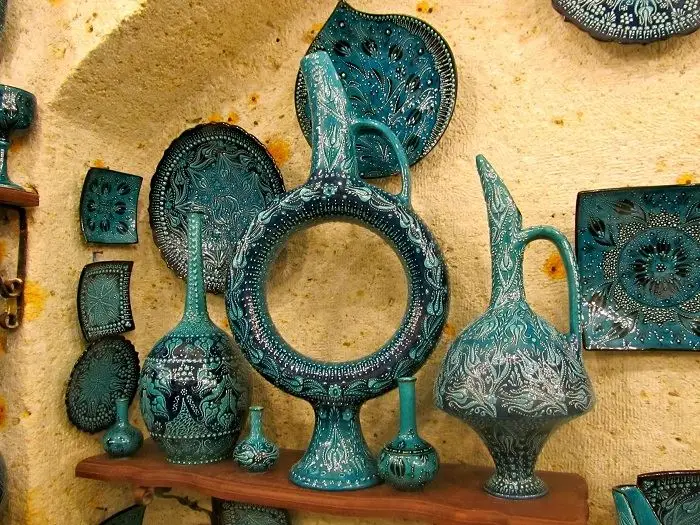
An ancient craft with a long history in Cappadocia is Avanos ceramics. These pots may be seen everywhere when you take Cappadocia tours and travel to the area. In-depth explanations of the pottery's history are provided during guided visits. For the people of Cappadocia, Avanos pottery is crucial.Informationen zu Avanos
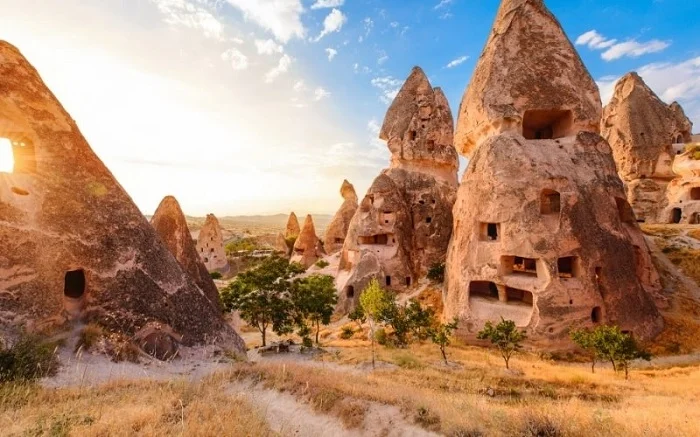
Avanos ist zusammen mit Ürgüp und Göreme ein bedeutendes touristisches Ziel in Kapadozien. In der Region Kapadozien, Avanos, ist Keramik ziemlich bedeutend. Wenn die Leute an Kapadozien denken, ist das erste, was in den Sinn kommt, die Feenkamine. Die in Kapadozien produzierte Keramik ist auch berühmt. Es ist auch bekannt für seine riesigen Flüsse, Täler und unterirdische Städte. Gartenkeramik ist ein weiteres bekanntes Ereignis.
Everyone is familiar with pottery. Everyone ate something from their casserole and drank water from their pitcher with these pots. There is a sizable Cappadocian ceramic workshop in the Avanos district. Even Seyrani, a folk poet who wrote between 1800 and 1866, observed that blind people are aware of the route to Avanos based on pottery shards. In the past, pottery used to be put on horses and donkeys and sold. Thrown to the side of the road was the pottery that had shattered during the trip. On the sides of the roadways in Avanos, broken pottery gathered and created a line. There is where we get this word. Avanos is located in Cappadocia, which is well-known for its ceramics.
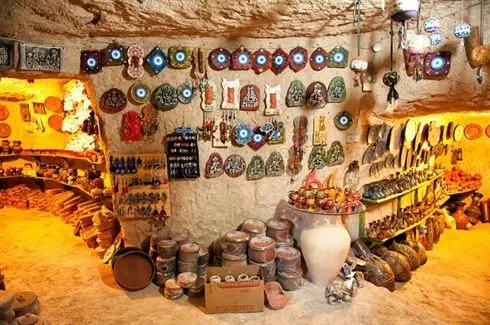 Kapadokien Pottery
Avanos Keramik von Kapadozien
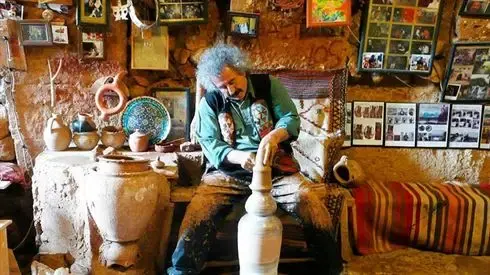
Die meisten Menschen kennen die Region Avanos für ihre Keramik. Hier wird vielfältige und unverwechselbare Keramik hergestellt. Die Vorfahren produzierten Keramik auf Rädern. Es ist ein Handwerk, das seit vielen Jahren von Großvater zu Vater und Vater zu Kind übergeben wurde. Über die Gebiete, die es seit Generationen durchquert hat, hinterlässt der Kizilirmak seinen scharfen Boden. Die Verwendung dieses roten Schmutzes in der Kunst undCappadocia's Avanos ceramics were shown. Red earth and spindle are combined to create a ceramic paste, and it is with this paste that pottery artists display their artistic talent. These handmade pots are very expensive. Our forefathers have been manufacturing pottery for many years, and they have passed it down to us. For the inhabitants of Avanos, this art has historically been a major source of income. The custom of refusing to give females to men who could not produce pottery was still practiced in the area. Their crimson color is their most noticeable attribute at first glance. The pots are made with ceramic paste, which is created by combining red dirt and spindles. Wheels are used to create pottery.
Wie wird Avanos Keramik hergestellt?
Wenn es von Profis durchgeführt wird, kann die Herstellung von Nevşehir-Keramik sehr einfach erscheinen. Während die Meister beobachtet werden, die die Räder verwenden, um ihr Handwerk zu produzieren, kann diese Aufgabe extrem einfach erscheinen. In Wirklichkeit ist die Anstrengung schwieriger, als es scheint. Avanos-Töpfe sind charakteristisch, da sie sowohl Geschicklichkeit als auch Phantasie fordern. Deshalb ist es auch als Avanos-Kunst bekannt.
Die Keramikleim muss vor allem hergestellt, geformt, gepanzt, getrocknet, gefeuert und glasiert werden. Es braucht Arbeit und ist ziemlich lang.
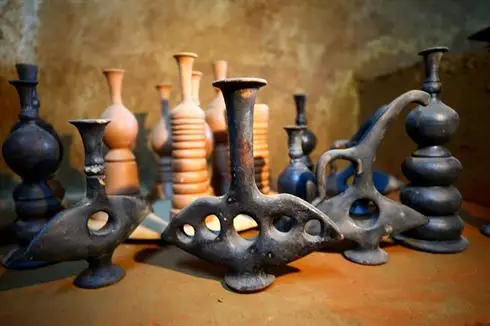 Kapadozische Keramik
Avanos Pottery Clay Making
The Kizilirmak beds include oily, soft clay soil that flows from the Avanos Mountains' flanks. After being sieved, clay soil is combined with water. After that, the soil that turns into clay can be used to create pottery. The clay needs to be stored for a week before it is ready. Each type of Avanos pottery from Cappadocia has its distinct qualities. As a result, different clay qualities may exist. According to the pots that will be manufactured, clay is prepared.Clay Sculpting
The clay is shaped using a variety of techniques. The type of pottery that is wanted is another factor that influences these techniques. When mass manufacturing is necessary, it can be formed using wheel-like machinery or by employing plaster of Paris molds. The expert also suggests that you can shape wheels with your hands so that you can accelerate with your feet. The master first shapes the clay by applying pressure with his hands. It uses metal components in the final stage to turn the clay into pots.
Armoring und Polieren von Keramik
It's called armoring, painting, and decorating the Avanos pottery after it's been made but before it's dried. The pots are stored for two days after armoring to attain a consistency known as leather hardness. Buffering is the process of polishing the surface while the clay is still wet. After going through these procedures, the pots are prepared for drying.
Trocknen des Pot
After the pots are polished and armored, and the water is taken out, they are left in the sun for 20 minutes. At this point, if there is no sun, they are held in the "cheeks," which are workshop spaces, for a day before moving on to the cooking process.
Die Reihenfolge des Kochens
Die Töpfe müssen verbrannt und gepresst werden, bevor sie für den Gebrauch geeignet sind.Ein großes Bad wird verwendet, um die getrockneten Waren bei bestimmten Temperaturen zu kochen.
Was sind die Kosten für die Herstellung von Cappadocia Keramik?
It is advised that visitors to Cappadocia produce pottery in Avanos. On excursions to Avanos, visitors can observe how the master potters shape their creations. In the local workshops, ceramic making is an activity you may partake in. The ceramic clay can be molded on the wheels under the masters' instruction.Therapeuten raten vielen Menschen, dies zu tun, weil es gesund für die Seele ist. Das Formeln von Ton ist eine kreative Möglichkeit, sich auszudrücken. Die Preise für die Erstellung von Kapadozischen Keramik können von einer Werkstatt zur anderen variieren.