Fairy Chimneys
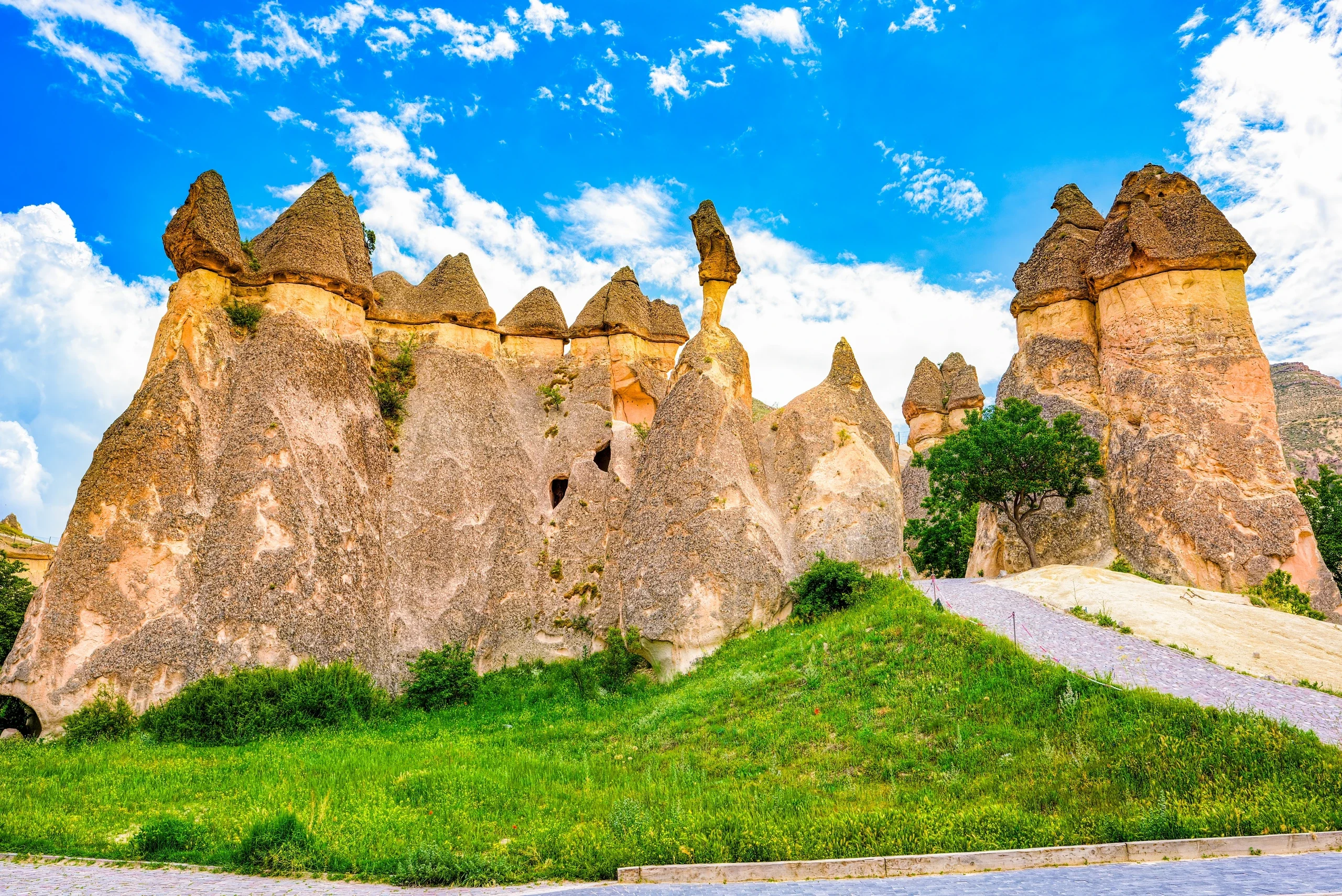
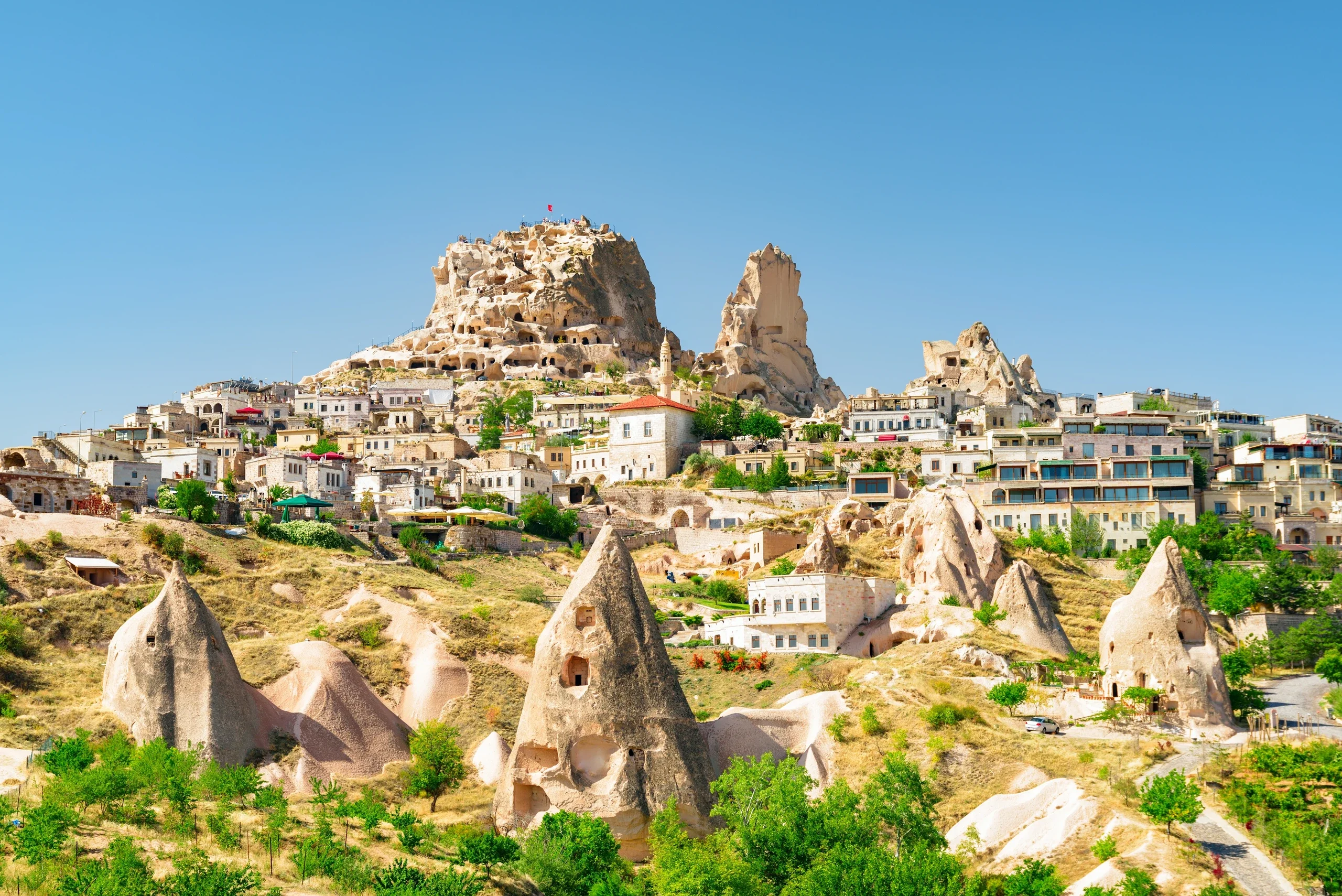
The Fairy Chimneys are one of the most famous places in Cappadocia and one of the most mysterious things about the area, both in Turkey and around the world. People visit the fairy chimneys and are curious about what they are and how they were created.What exactly are fairy chimneys?
Wind, rain, and floodwaters eroded the tuff structure to create fairy chimneys. These tower-like formations have rocks on them. The location of the fairy chimneys There are fairy chimneys in Cappadocia. It is one of the most significant formations that distinguishes geography. Several tourists travel here every year, turning the area into a visual feast thanks to these structures. Both domestic and international tourists visit the area.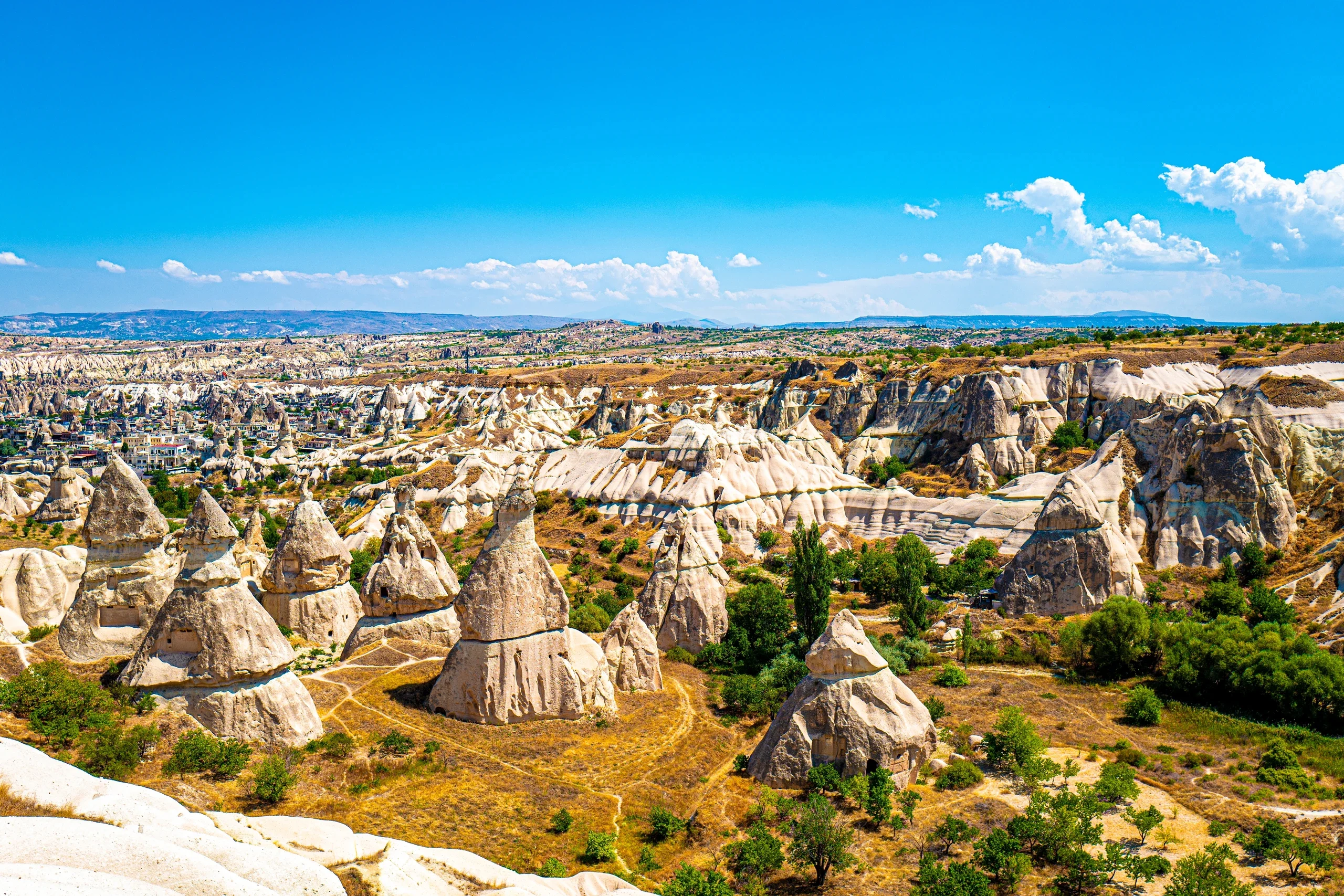
The formation of the fairy chimneys in the Cappadocia region is a mystery to many people. Natural events created these stunning rock formations, which are visible in the Cappadocia region. During various geological eras, active volcanoes discovered these formations. With the uplift of the Taurus Mountains, which began in the third geological period nearly 60 million years ago, and the compression of the Anatolian fault in the north, volcanoes in the area started to erupt. 10 million years ago, volcanoes pouring lava included mountains like Erciyes Mountain, Güllüdag, and Hasandagi, which today give spectacular vistas with their snowy formations. At that time, the Cappadocia region was an inland sea. Due to the discovery of marine animal fossils during archaeological digs, this estimate was determined.
Volcanoes first appeared in the Upper Miocene, 10 million years ago, and continued to erupt until the Pliocene, 2 million years ago. The inland sea, lakes, and streams were dried by descending to the plateaus. On the dried land, a 100–150-meter-thick tuff layer developed. This stratum contains volcanic ash, clay, sandstone, clay, and basalt. Certain regions have hard rocks, and they occasionally build up lava that is so dense that it may be cut. Due to things like rivers and wind, the layer has shifted over time. The Kizilirmak, the wind, and the floods that were flowing down the valley's slopes were all responsible for this modification.
The tuff beds' impermeability and lack of vegetation made the floods greater as they obstinately strove to pass through the solid rocks. The force of the roaring seas fractured and broke the unyielding rocks. In its lower portions, it also left valleys with large, deep waves. This is how the natural beauty of this geography is perceived. In this regard, fairy chimneys, which are generated by natural forces and are unique in the world, are constantly in the spotlight.
The History of Fairy Chimneys
The history of the fairy chimneys can answer any questions about how they came to be. Strabo, a Roman geographer, was the first person in history to write down where the borders of Cappadocia were. The borders come to an end in the southeast at the Taurus Mountains, in the north at the Eastern Black Sea shoreline, in the west at Aksaray, and in the east at Malatya.This large area is in an important spot because of its history. Cappadocia is now only thought of as the provinces of Aksaray, Nigde, Nevşehir, Kirsehir, and Kayseri. It is also possible to refer to the history of fairy chimneys as Cappadocian history. Since the fairy chimneys were made, many different cultures have lived in Cappadocia. These are the area's natural structures. During the Paleolithic era, when the earliest human settlements took place, the interiors of the fairy chimneys started to be carved. To let the first Christians practice their faith freely, it was established in the third century, after the Hittites had been extinct. Fairy chimneys are intended to serve as places of worship and habitation. Before falling to the Seljuks, Cappadocia experienced a variety of resistances and invasions during the 11th and 12th centuries.
Due to their tuff structure, the fairy chimneys have been enlarged and carved a little bit more each time. Inside those that were used as churches, frescoes were also engraved. On these walls are frescoes that tell tales from that time. People today visit it because of its distinctive structure and historical character. Fairy chimneys are a good choice for a variety of vacations, including a honeymoon.Tale of Fairy Chimneys
Legends surround the story of fairy chimneys. A long time ago, in his final days, an industrious peasant from Göreme wished to go to his farm early in the harvest. But because he lacks his previous strength, he falls at the base of a fairy chimney. He regretted that their labor could be destroyed by the wind and birds, on the other hand. The fairies took the crops from the old man's field, and they then delivered them to the hangars.
By daylight, they had finished their labor. Following the completion of the task, they vanished. The elderly guy initially believed he was dreaming, but it turned out to be a prize for his years of toil. The fairies immediately came to her assistance with all her problems after that day. The other residents of the village may have questioned how an elderly guy with a back and legs could complete all of his tasks, but they were never informed of the reality. The old man passed away one day carrying his secret, but Fairy Chimneys have kept it a secret ever since with their complete silence.
Where Can I Find Fairy Chimneys?
Finding directions to Fairy Chimneys is important for those who want to visit the site. Buses leave from the city center and stop in Nevşehir before going to the Cappadocia region. There are straightforward routes to get to Cappadocia from Istanbul for visitors who are traveling by private automobile. You must first get to Ankara. From there, you can go to Kirikkale, Kirsehir, or Nevşehir. This makes it possible to travel a relatively short distance to get to the area. Many guided tours are available. With the help of the tour, you can see the fairy chimneys and get in-depth details about their history.Tours of Fairy Chimneys
Fairy Chimneys offers a wide variety of activities. Because of this, people can participate in any activity using the tours offered in the area. With tours prepared in the company of the guides, you may visit the fairy chimneys and carry out all the activities that can be done frequently and without wasting time. You can take part in daily excursions and travel in-depth with knowledgeable guides. Tours can also be taken, which is another option. ATV tours are available in Cappadocia to explore the valleys.Fairy Chimneys Hot-Air Balloon Tour
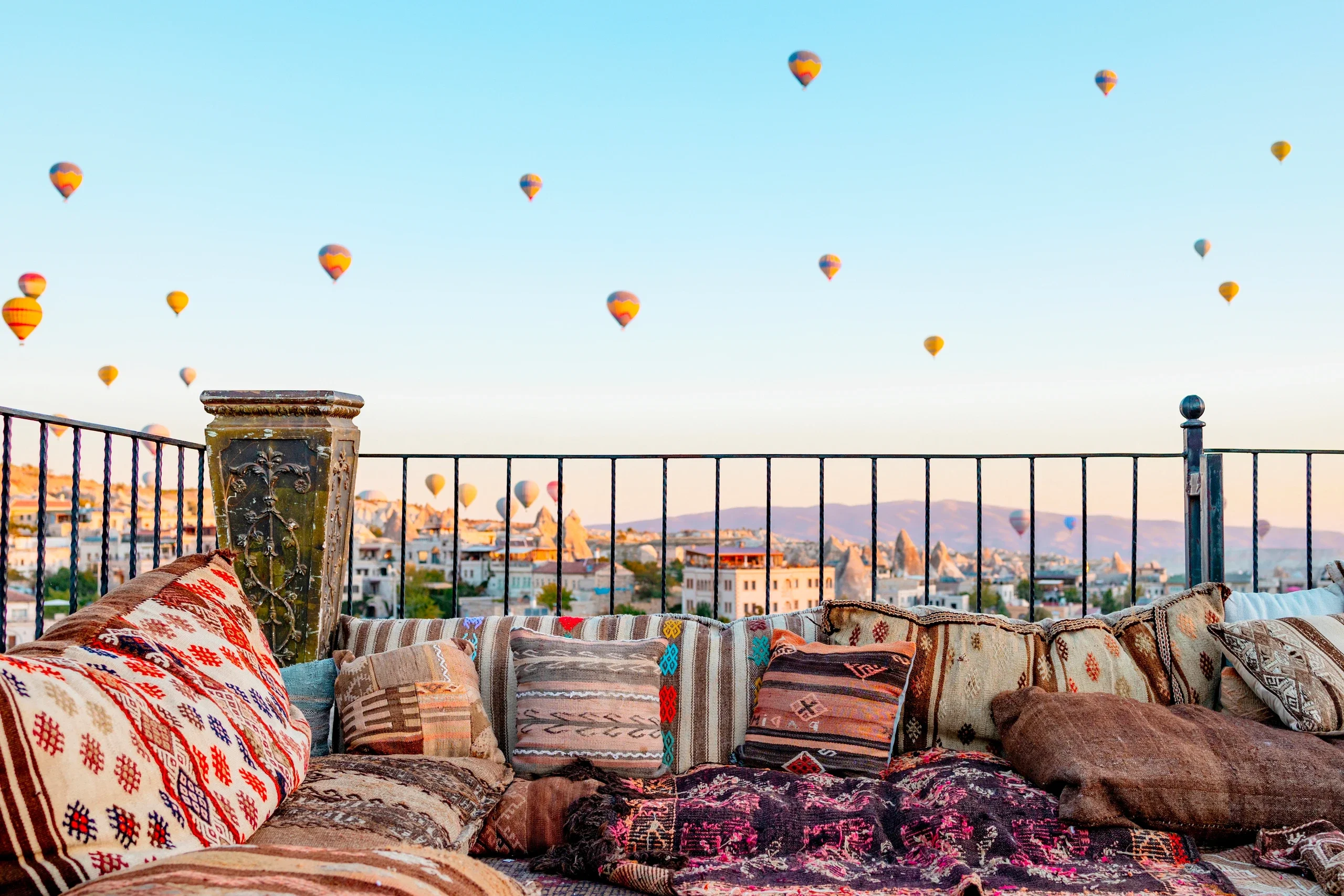
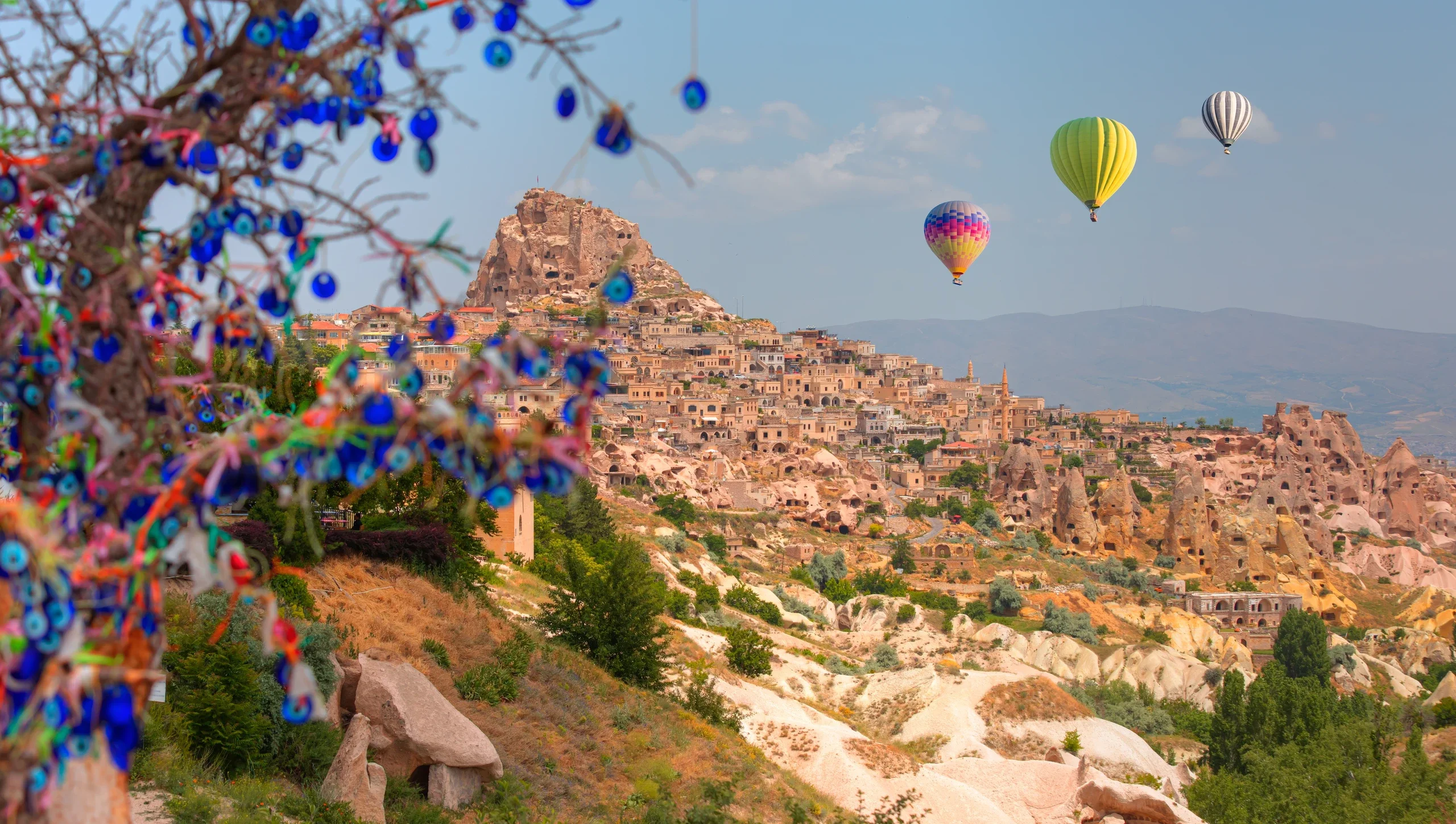
The balloon tour is one of Cappadocia's best-known attractions. The balloon tours here are beneficial to both domestic and international tourists. One of the nicest things to do anywhere takes a balloon trip. The cost of a Fairy Chimneys balloon tour varies. Anywhere in the world, a balloon tour is a very expensive excursion. The key factor driving these excursions' high cost is the extensive team that works behind the scenes.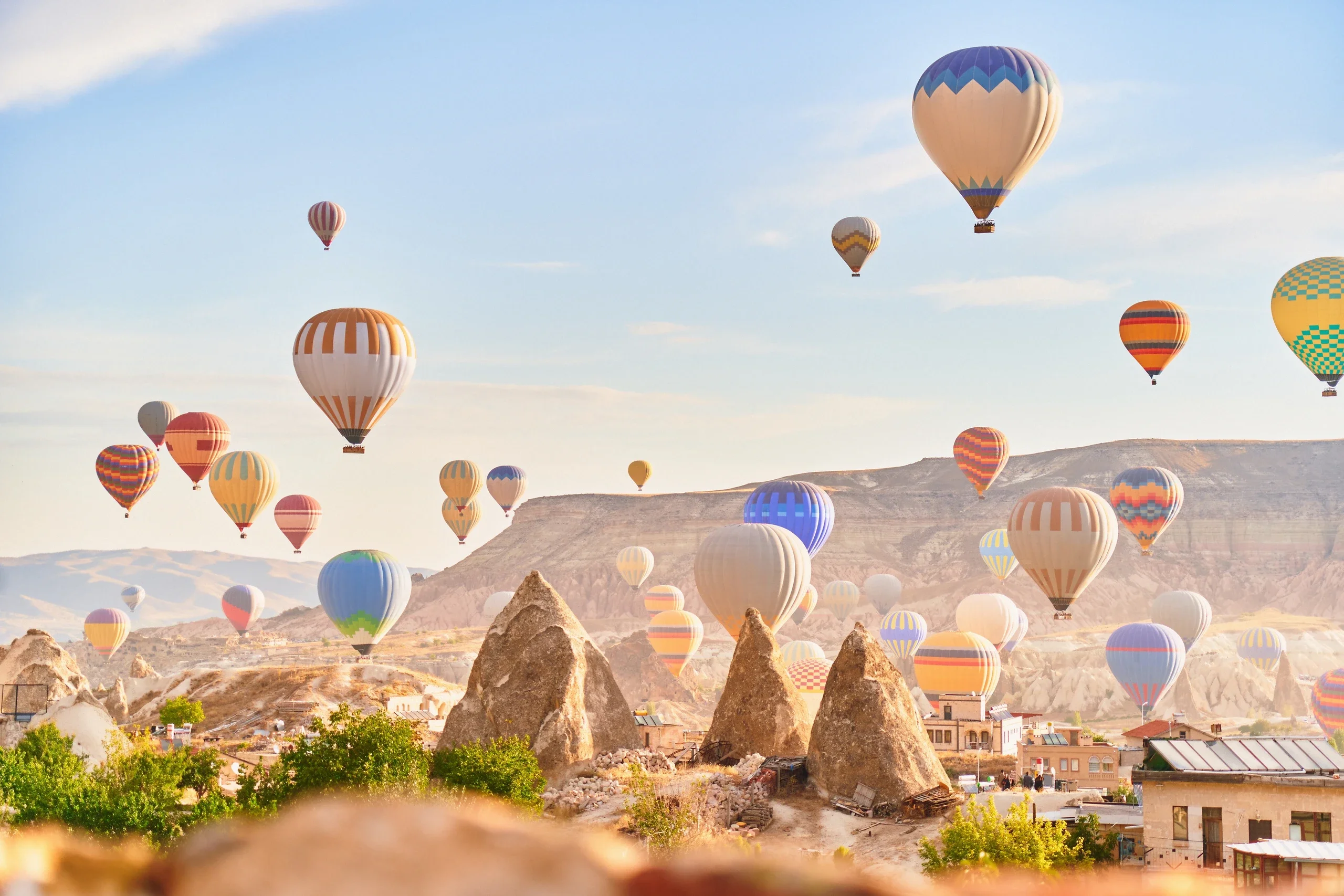
Many costs, including those for balloon equipment and maintenance, do not improve the issue. The fee for a balloon tour pays for a variety of services. Breakfast, a one-hour balloon excursion, and services like private vehicle pickup from hotels and drop-offs at the end of tours are all included in one price. In addition, the one fee covers both the special flight certificate and insurance costs.
Updated on